"Every piece of knowledge contains valuable ingredients side by side with ideas that prevent the discovery of new things."
"Every piece of knowledge contains valuable ingredients side by side with ideas that prevent the discovery of new things."
As a Murakami fan, I have to stop people from reading this book to save Murakami’s reputation. Seriously, go read Kafka on the Shore or The Wind-Up Bird Chronicle. I’ll get into this novel, and explain why you should read Murakami’s other work instead of this.
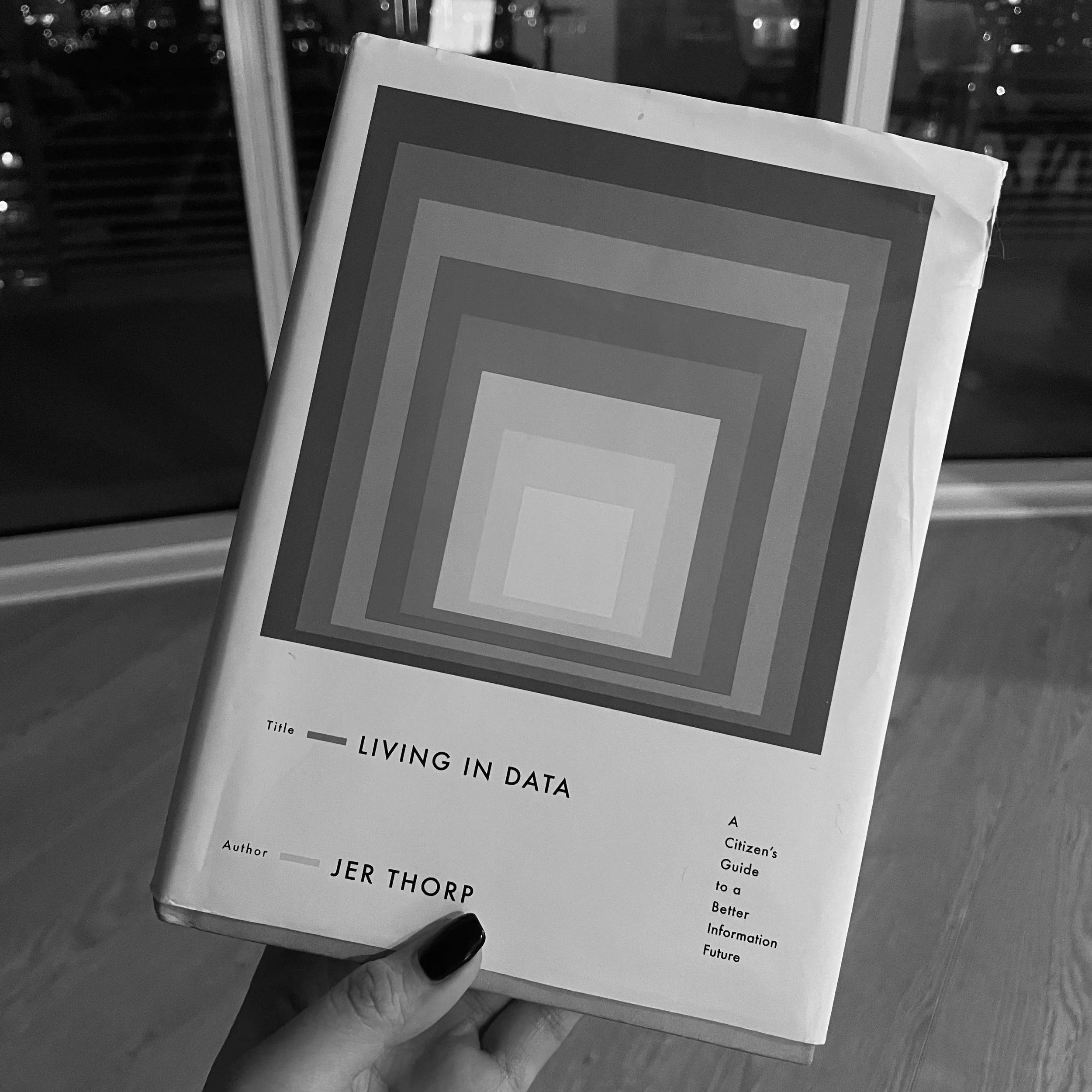
To live in data in the 21st century is to be incessantly extracted from, indexed, classified, and categorized, sold, discriminated against, and monitored. The new data reality is made by us, but it isn’t for us. Data come from us, but rarely return to us. In the book Living in Data, Data artist Jer Thorp takes an enlightening excursion through human’s ever-changing relationship with data, and asks the crucial questions of our time: How do we stop passively inhabiting data, and instead become active citizens of it? How can we build new data systems that start as two-way streets where data can actually service the belonging?
We live in a time when almost everything can be bought and sold. Over the past three decades, markets and market values have come to govern our lives as never before. What Money Can’t Buy is a book that takes up one of the missing debates in contemporary politics of our time: Is there something wrong with a society in which everything is for sale? Are there any moral limits of markets? If yes, what are they? How can we prevent market values from reaching into spheres of life where we have decided that they don't belong?
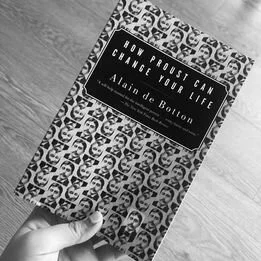
This book is written by an atheist for atheists. The author, Alain de Botton , bases his comments on the premise that supernatural claims of religion are false, yet, we can discover religions as repositories of a myriad ingenious concepts which we can try to assuage a few of the most persistent and unattended ills of secular life. The author believed that the error of modern atheism has been to disregard the multiple aspects of the faiths remain relevant even after their central tenets have been dismissed. It is when people cease to feel that they must either prostrate themselves before religion or denigrate them, we can import religious ideas into the secular realm.
When singularists attempt to address multiple things at once, they create this ambiguous interpretation. The sentences above contain collective predicates, which apply to their arguments collectively, not individually. As a result, the theory of plural quantification stated that plurals cannot be satisfactorily analyzed in terms of the singular. Thus, plural reference, plural quantification, and plural predication must be recognized as primitive. They can then form part of genuinely plural logics.
Humans are dedicated to suffering.
Various reasons to be inconsolable abound: the frailty of our bodies, the feebleness of our souls, the fickleness of love, the insincerities of social life, the compromises of relationships, the deadening effects of habits. In the face of such perpetual ills, one might see that no event would be awaited with greater anticipation than the moment of our own death.
The question is: How to suffer successfully?
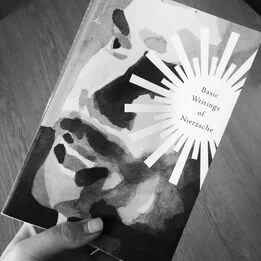
Ever since he went insane and silent in 1889, Nietzsche’s ideas have been most things to most men. Devout Christians can hardly derive any comfort from Nietzsche’s writings, which are centrally preoccupied with a destructive analysis of Christianity, its birth, its triumph, its unfortunate longevity; nor could principled democrats find much to please them in his political views. However, nihilists and existentialists, cosmopolitans and chauvinists, followers of Freud and his critics, Anti-Semites and Philo-Semites, Francophiles and professional Teutons, nature worshipers and pragmatists have all been struggling over Nietzsche’s legacy for a century and more.
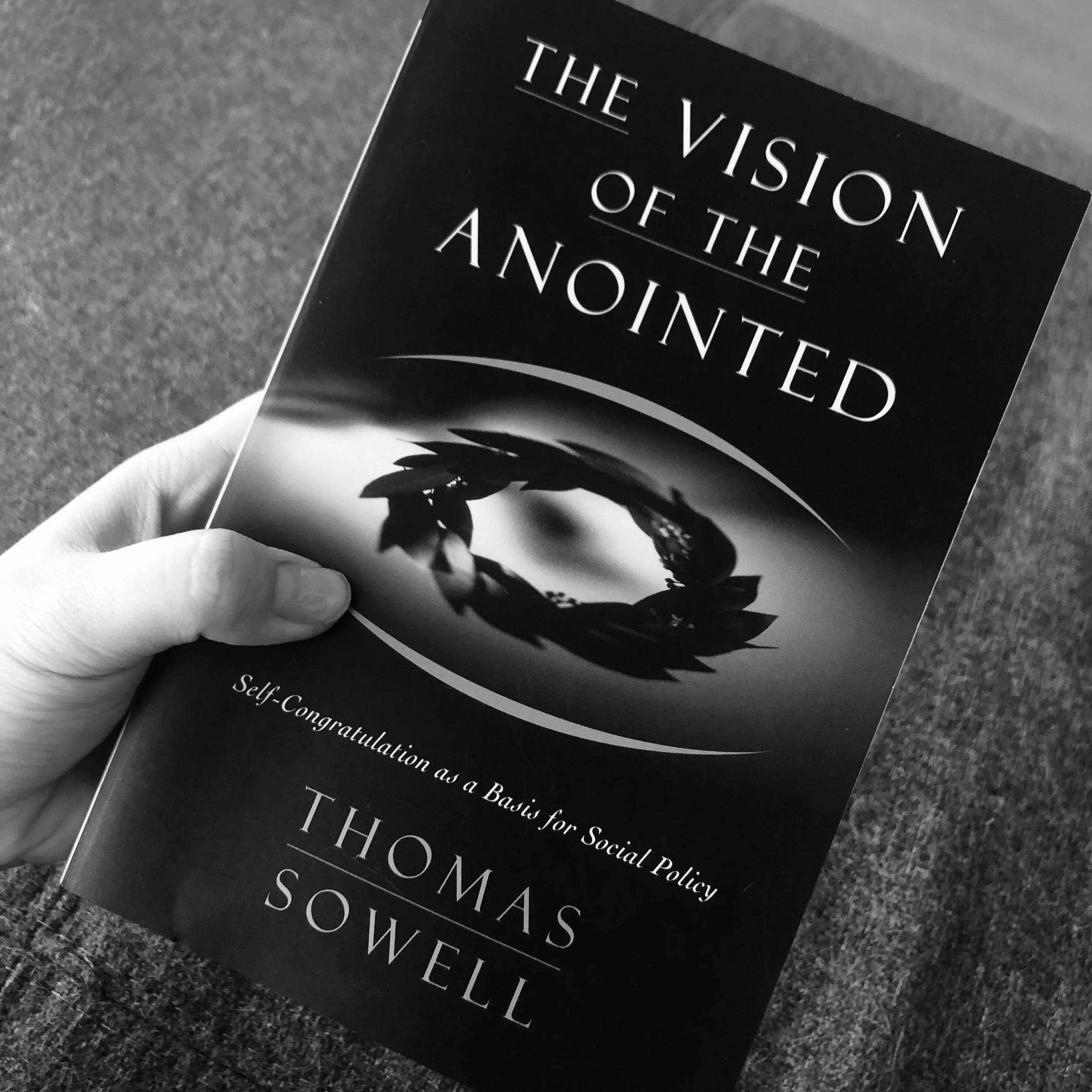
The author, Thomas Sowell, demonstrates that the prevailing vision of our time emphatically offers a state of grace for those who believe in it. Those who accept this vision are deemed to be not merely factually correct but morally on a higher plane. To paraphrase, to disagree with these visions, even if backed by statistics and empirical evidence, one will still be deemed as not merely incorrect, but selfish or evil. With various examples, Thomas enumerates the pattern of the anointed holding on to their visions, their quest is not for reality but for vision—the vision would allow them to assume their own moral superiority.
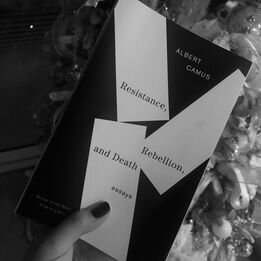
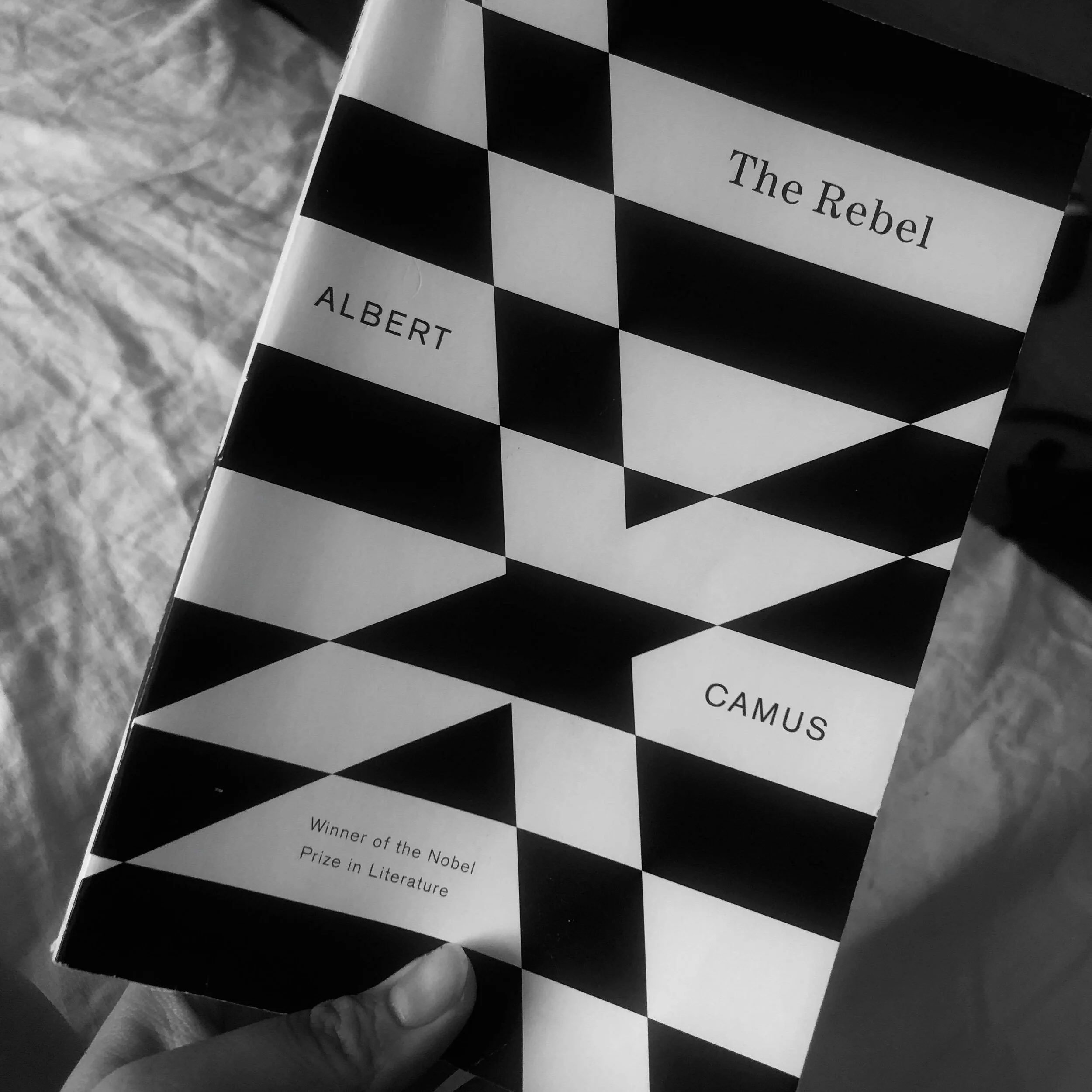
There is nothing in Resistance, Rebellion, and Death of the metaphysical Camus; all the subjects are socio-political, and the essay topics vary from the French Spirit, European civilization, colonial warfare in Algeria, to the social cancer of capital punishment, death, resistance, rebellion, and freedom. In this Camus is relatable, not because we necessarily are in concord his views or values, but because consistently and without rest man lived the views and values.
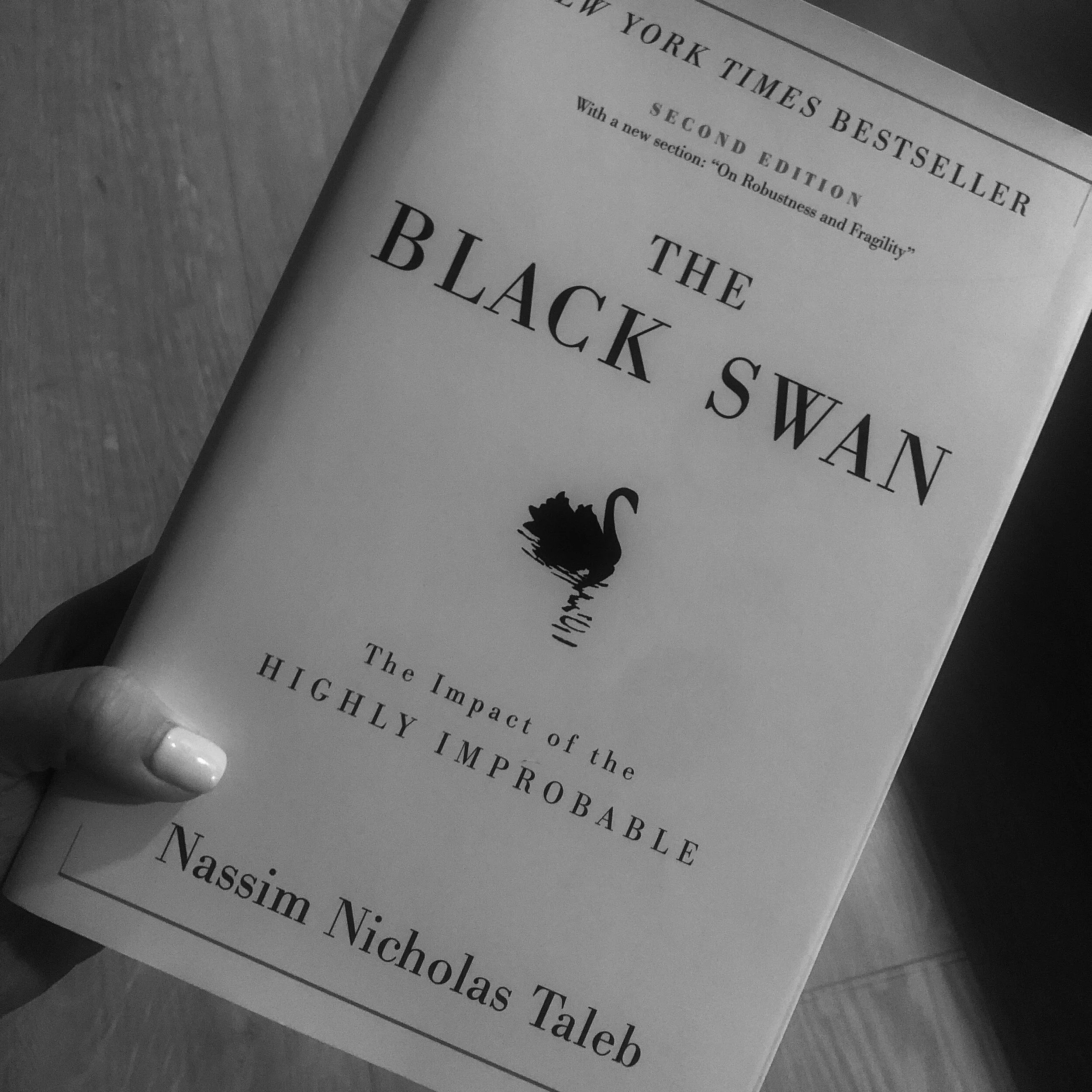
The modern problem is that reevaluating what we consider “true” or “facts” is becoming increasingly difficult. In a frame work where public consensus has become the ultimate arbiter of validity. I would recommend this book to anyone who likes to ask “What if”. Certainty can often be paralyzing. It locks us into paths that may not be preferable. The problem is never about finding what is right, but realizing oneself can be wrong even when proven right.
Until the 19th century, people were convinced that all swans were white, an unassailable belief derived from millennia of confirmatory sightings of white swans…. Then boom! There comes the discovery of mutant black swans in Australia.
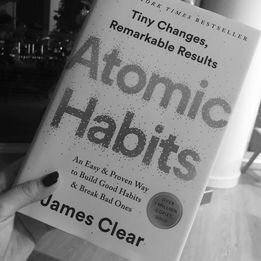
The Atomic Habit is not a book consists of revolutionary ideas, but James Clear took the already known insights and developed actionable plans for readers to create their system. It is the proposed system that really brings value to this book. Positive/Negative Habit tracking method, Habit forming system, step-by-step guide on making unwanted habits less attractive etc…these are some simple yet effective systems that readers can implement. After all, we do not rise to the level of our goals. We fall to the level of our systems.
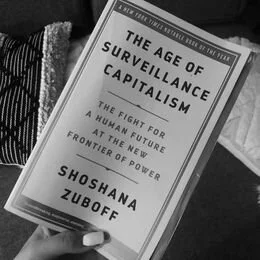
Shoshana Zuboff provides a shockingly harrowing glimpse into the surveillance economy we are in, how surveillance capitalism and its rapidly accumulating power exceed the historical norms of capitalist ambitions, claiming dominion over human, societal, and political territories that range far beyond the conventional institutional terrain of the private firm or market; and how we the people can reverse this course, first by identifying the unprecedented, then by mobilizing new forms of collaborative action.
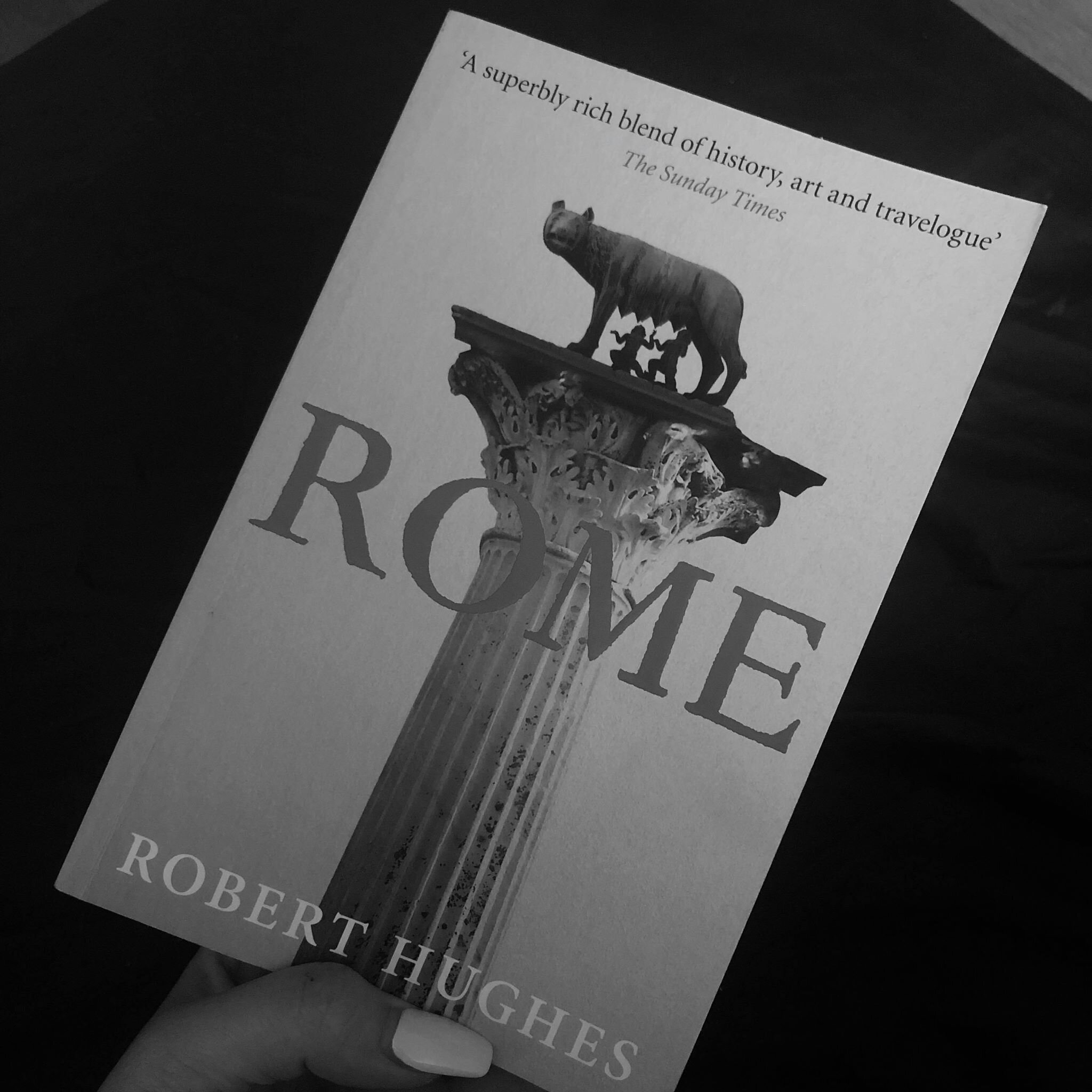
Hughes succeeded magnificently in cramming in 2500 years of history from the early Etruscans and aqueducts to the Caesars to shift from Paganism to Christianity to the Papal States to the Middle Ages, Renaissance, to Baroque and Classicism to Modernity and Mussolini into this book
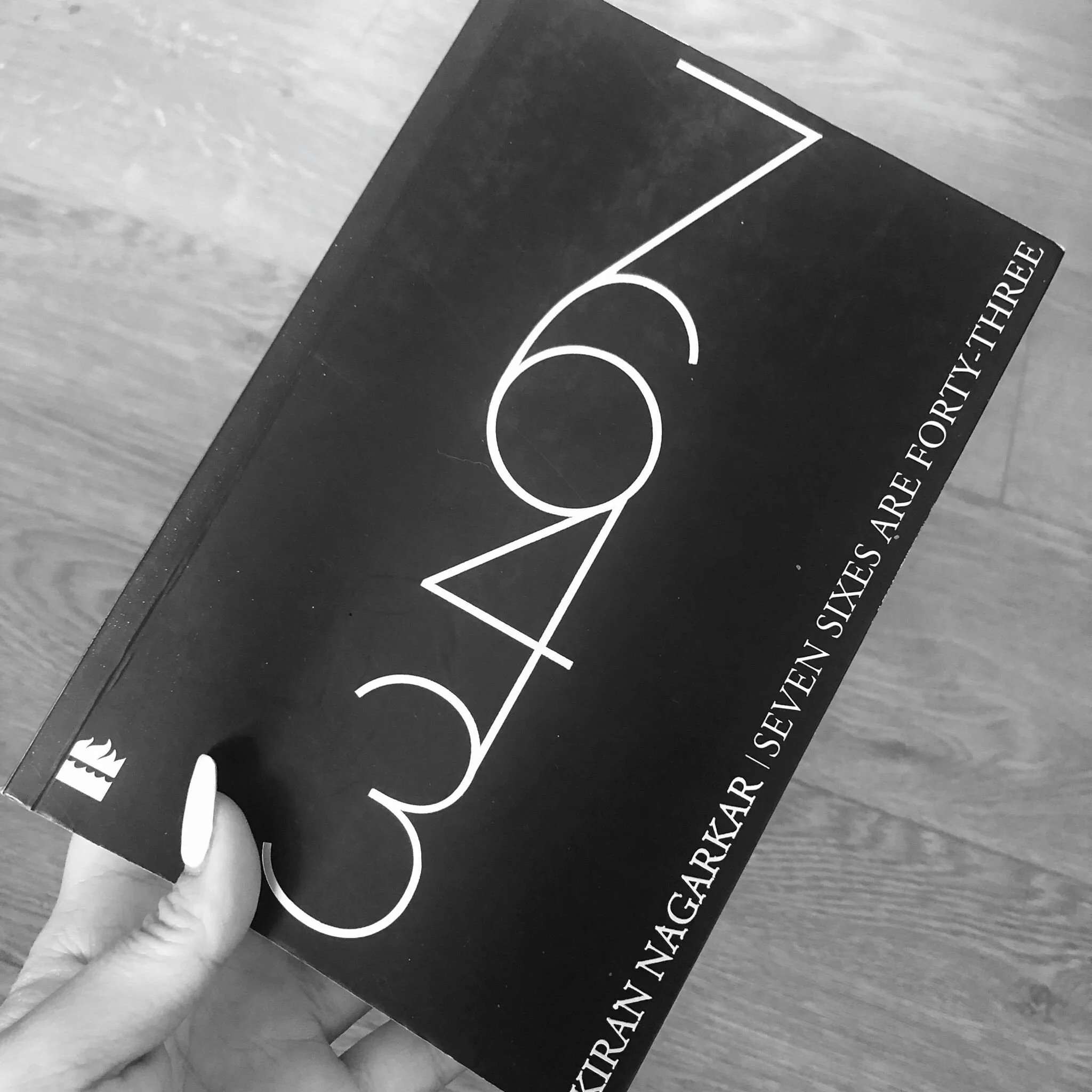
Seven Sixes Are Forty Three is a series of fragments of the life of Kushank Purandare, a writer living off the kindness of people in this big bad world. Disillusioned with the lack of certainty and empathy in a world that is largely incoherent and unsalvageable, Kushank drifts about wallowing in his past and doing bizzare jobs.
One may be surprised that Albert Camus, a known existentialist philosopher, was quite familiar with anarchism, and he not only openly supported anarchist-syndicalist organizing, but also was excommunicated by the existentialists for criticizing their Marxist tendencies. Soon after reading The Stranger, I gladly discovered that Camus had in fact, already dealt thoroughly with the questions of nihilism, rebellion, revolutionary politics, and anarchism.
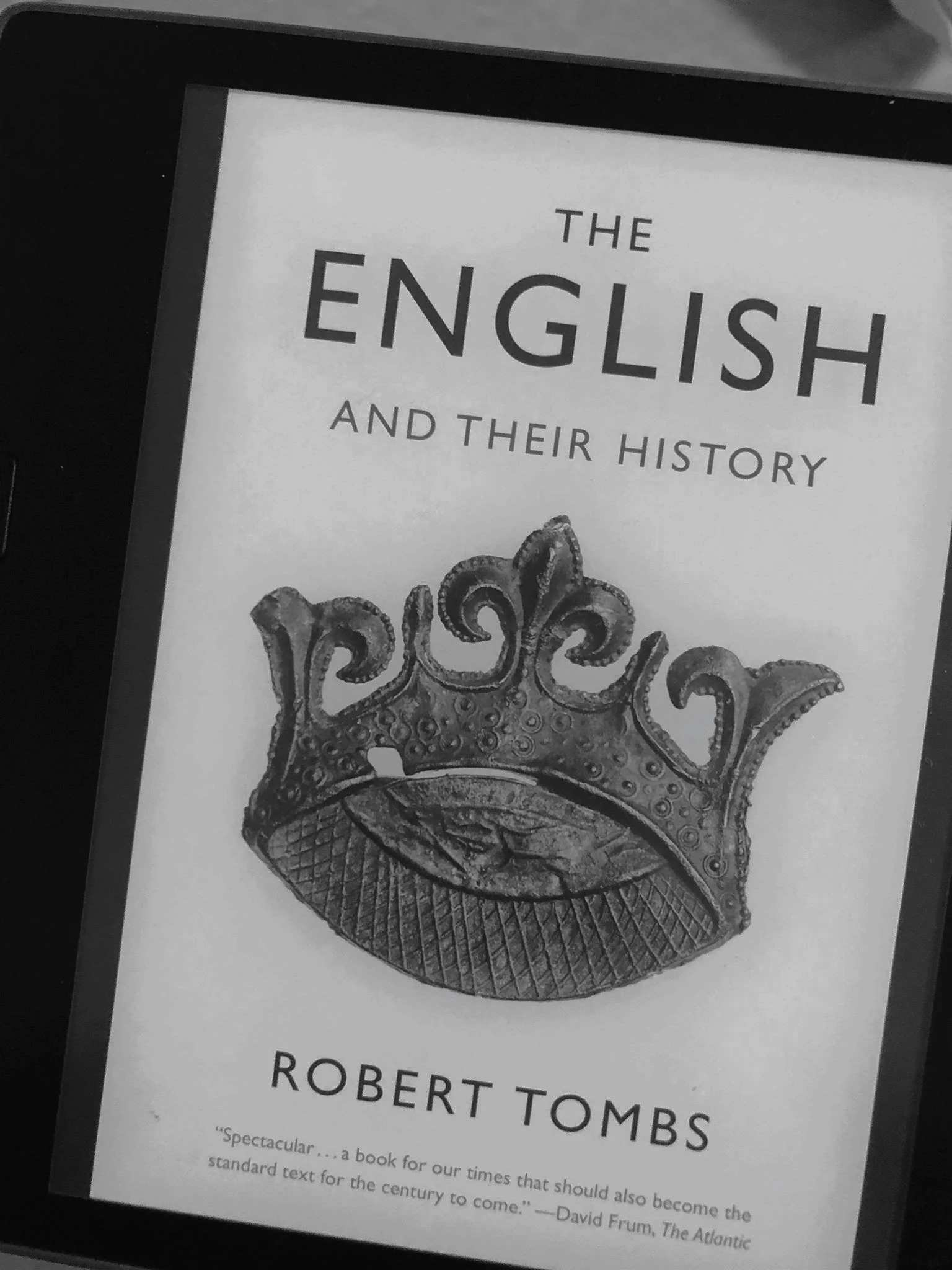
This is an analysis not of Britain, or the British Isles—but purely of the English. Tombs reviewed conventional beliefs about the past such as the Anglo-Saxon liberties, the common law, the influence of Magna Carta, and the cause and effect of the Industrial Revolution. Tombs also examined the ambiguities and aftermath of the Victorian age at the reasons for participating in the First World War, and the divided memories of that calamity.
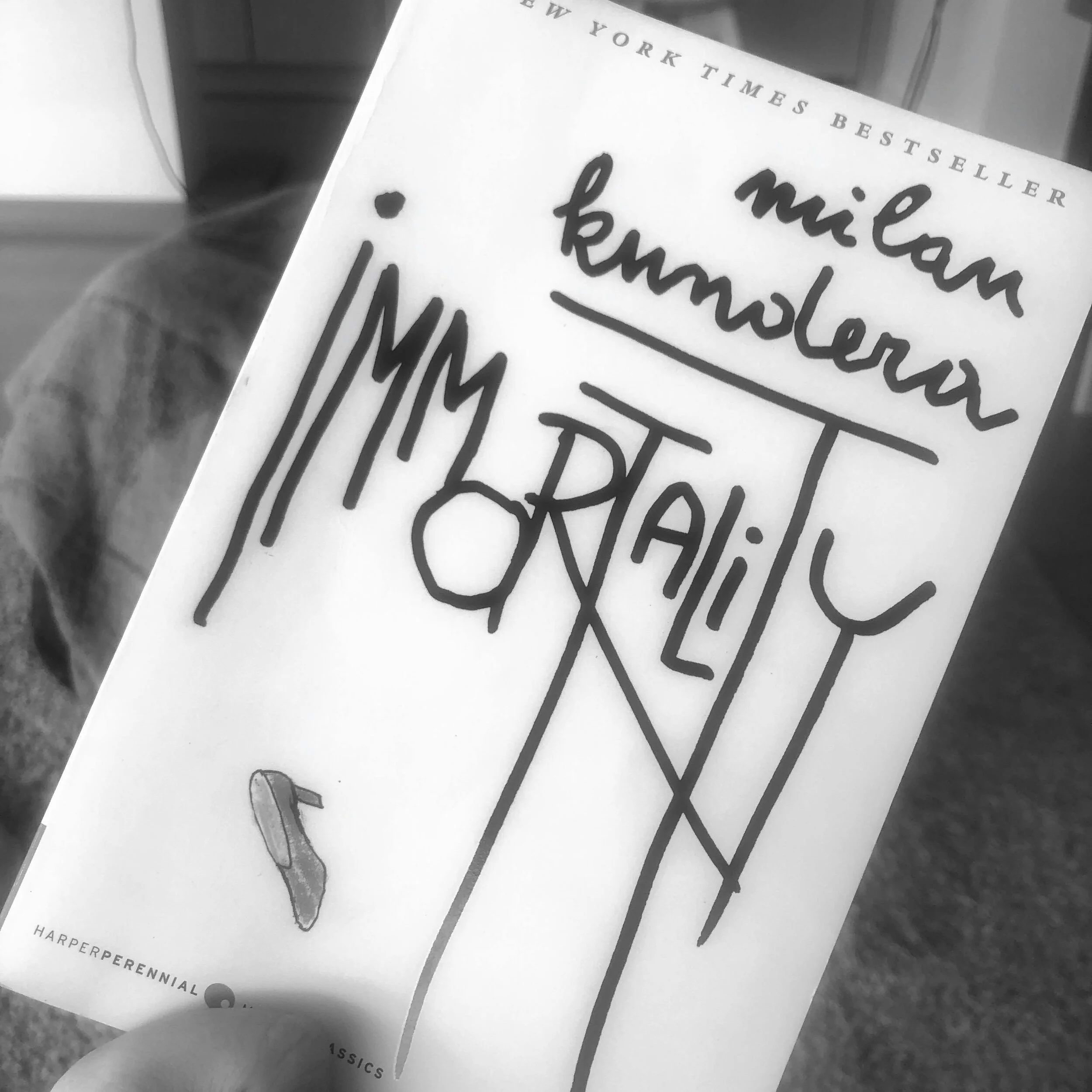
Kundera has long explored themes of impermanence and fluctuating identity--often to memorable effect, particularly in The Unbearable Lightness of Being and now even more so in Immortality. People believe that they can achieve immortality to a smaller or greater degree by maintaining an identity of themselves in people’s minds up until they die. In other words, death and immortality, ironically, is an inseparable pair more perfect than milk and cookies. When death approaches, so as immortality.
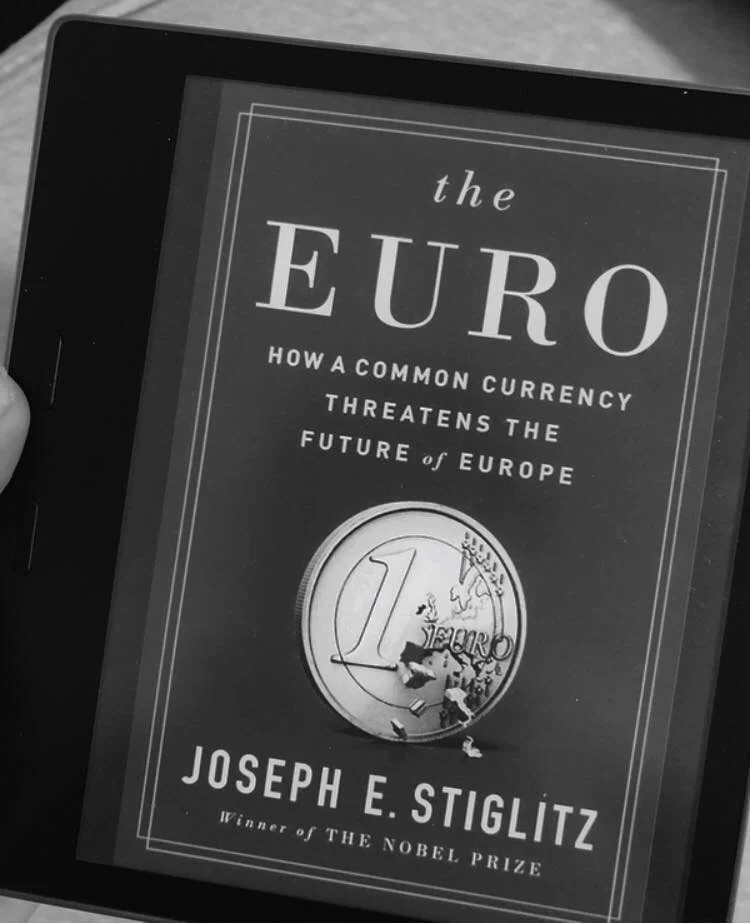
This book carried out a cogent and fervent analysis claiming that the euro is flawed at birth and bound for failure. An immediate reform is required to prevent further devastation. In the absence of reform, an amicable divorce would be far preferable to the current approach of muddling through…