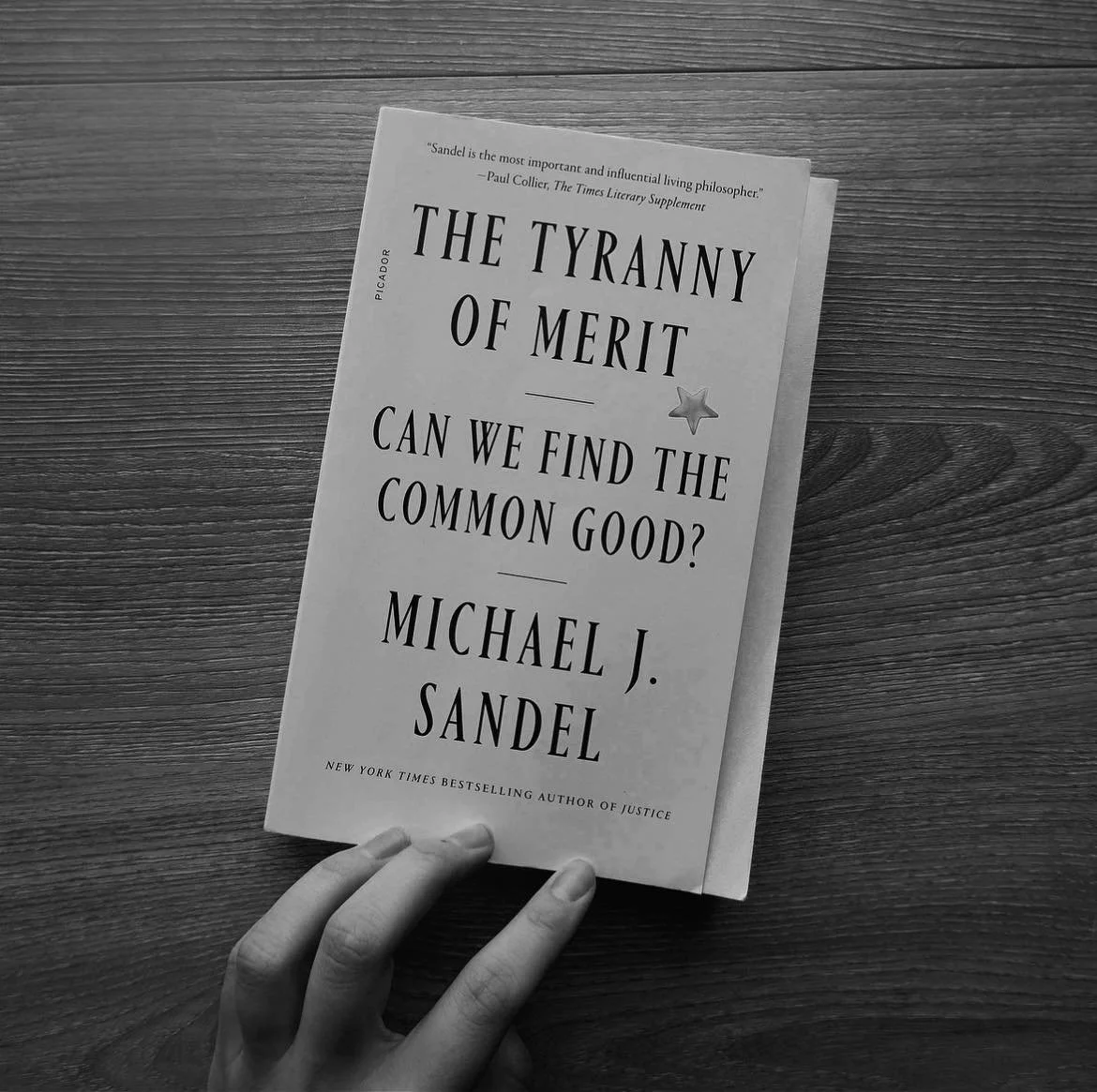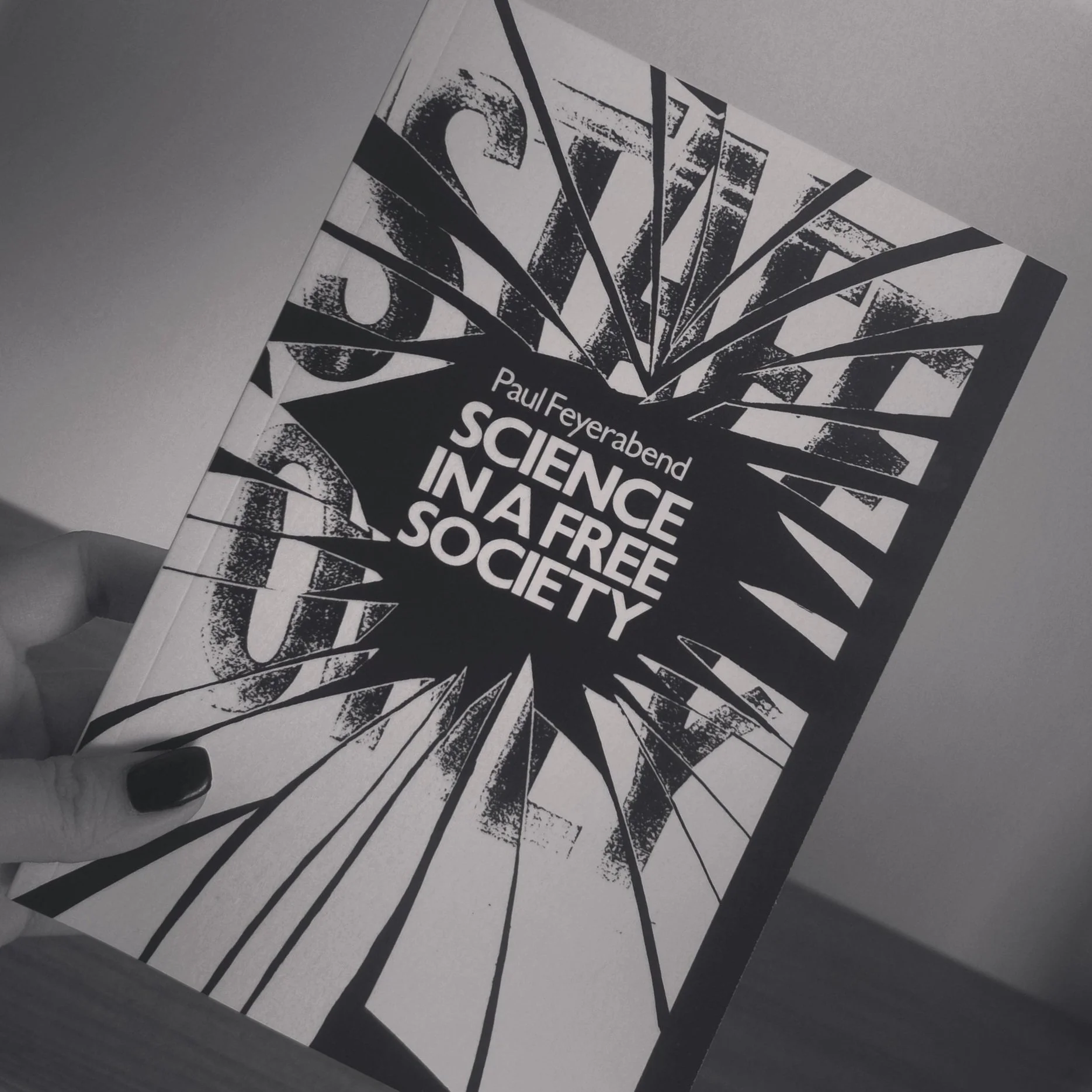
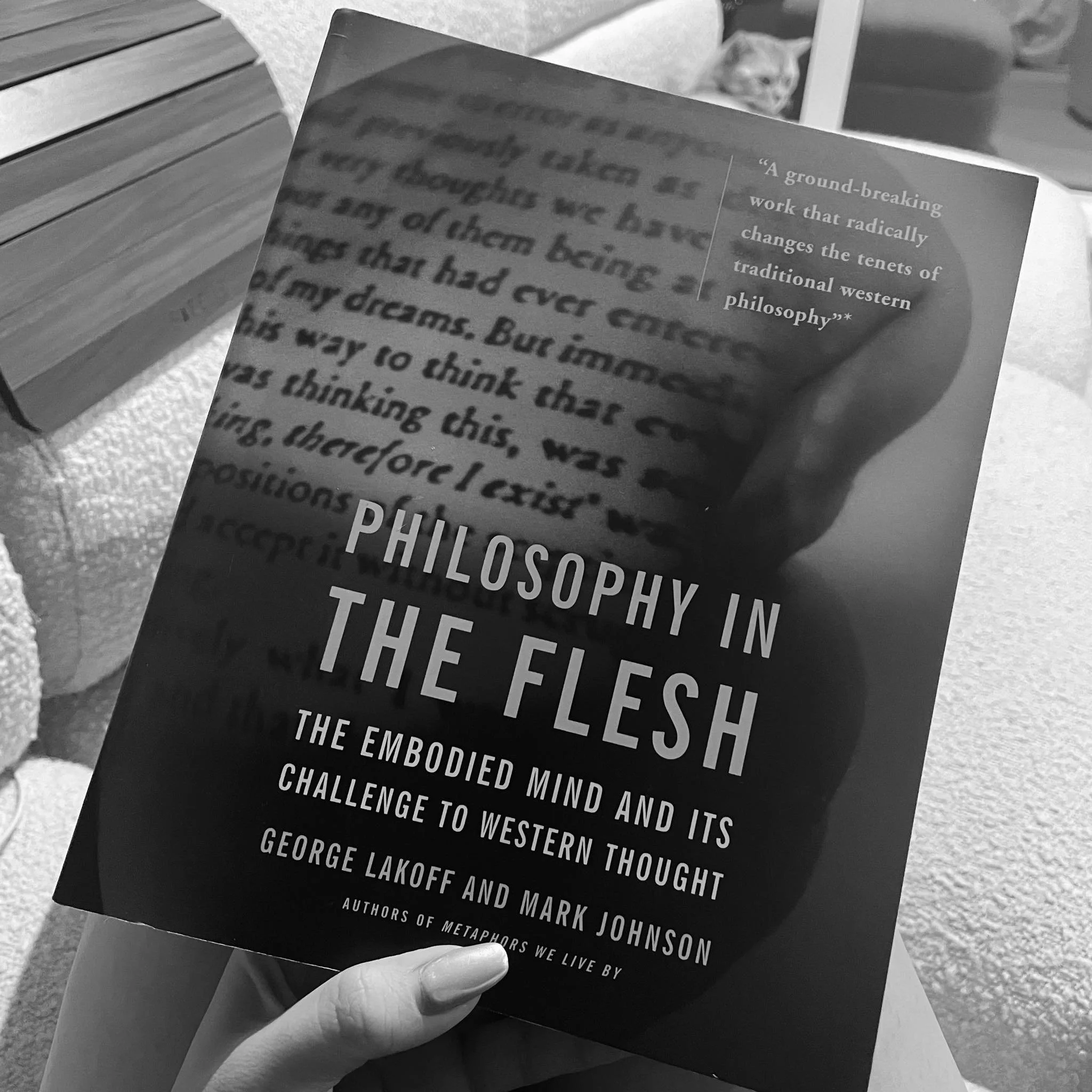
What defines human mind? How is knowledge attainable? What is reason? Is logic universal? What constitutes truth? Whence do moral values emerge?
These perennial inquiries have occupied the central stage of Western philosophy for centuries.
Philosophers, in grappling with these questions, have traditionally anchored their explorations in certain assumptions— namely, the conviction in our ability to comprehend our minds through introspection, the notion that our contemplation of the world is predominantly literal, and the belief that reason is both disembodied and universal.
Yet, the veracity of these bedrock assumptions finds itself under scrutiny in the face of established findings in cognitive science.
The mind is inherently embodied.
Thought is mostly unconscious.
Abstract concepts are largely metaphorical.